
Girl where is your positive money mindset? I don’t want to hear, “I’m just bad with money” or “I should leave this to someone else.”
For women managing careers, families, and household finances, often all at once, financial stress tends to carry an extra layer: self-limiting beliefs.
These aren’t random doubts. Research consistently shows that women face unique financial headwinds, including the gender pay gap, longer career interruptions for caregiving, and a financial industry that has historically spoken past them. The hardest part is that a negative money mindset doesn’t feel like a mindset problem.
It shows up as everyday choices, especially the pull of immediate gratification or deferring big decisions, and it can create real financial barriers without anyone noticing. When shame, fear, or quick-fix spending is running the show, even good intentions get derailed and progress feels out of reach. Developing a positive money mindset can turn that confusion into lasting control.
Understanding Your Money Mindset and Hidden Biases
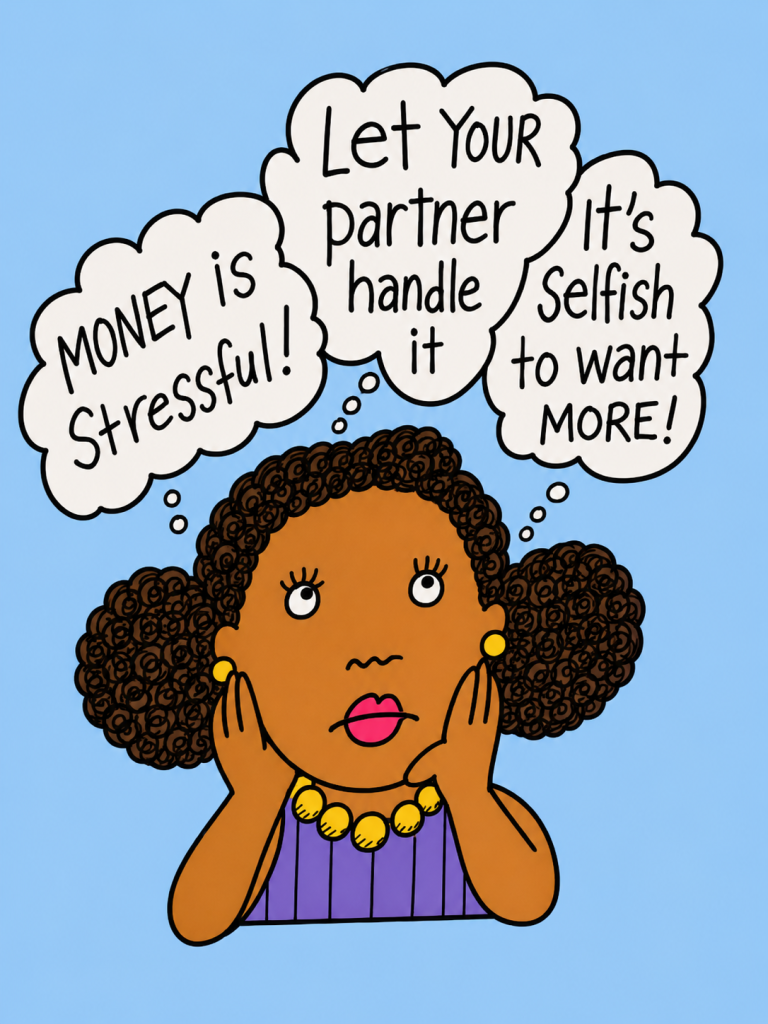
Money decisions are not just math. Your beliefs and attitudes about money shape what feels “safe,” “smart,” or “worth it,” even before you open your banking app. For many women, those beliefs were inherited early. You may have received messages like “money is stressful,” “let your partner handle it,” or “it’s selfish to want more.”
On top of that, cognitive biases can quietly bend judgment: confirmation bias, loss aversion, and the overconfidence effect all play a role.
Why it matters: these patterns can make you defend a shaky plan, fear a small step backward, or assume you’ll “figure it out later.” When you can name the bias, you can pause, check the facts, and choose a response that actually supports your goals.
Picture planning a budget cut. Loss aversion makes skipping one treat feel like a bigger loss than it is, while confirmation bias searches for reasons the cut “won’t work.”
Overconfidence says you can catch up next month, and then the cycle repeats. Recognizing these traps is one of the first and most empowering steps toward a genuinely positive money mindset.

Weekly Money-Confidence Rituals That Stick
A positive money mindset rarely “clicks” once and stays forever; it’s built through small, consistent habits. These rituals help you notice old reactions, choose a better response, and build financial confidence through steady follow-through. Think of them as the financial self-care your to-do list rarely makes room for.
1. Two-Minute Money Check-In
What it is: Name the emotion behind your next money decision before you spend.
How often: Daily
Why it helps: It strengthens emotional money awareness and reduces impulse-driven choices. This is especially useful when stress spending or “treat yourself” culture makes spending feel like self-care.
2. Forgive, Then Fix
What it is: After a slip, write one lesson and one next action.
How often: Per mistake
Why it helps: Women are more likely to internalize financial mistakes as personal failure. This ritual replaces shame with learning so you stay engaged.
3. Comparison Detox Scroll
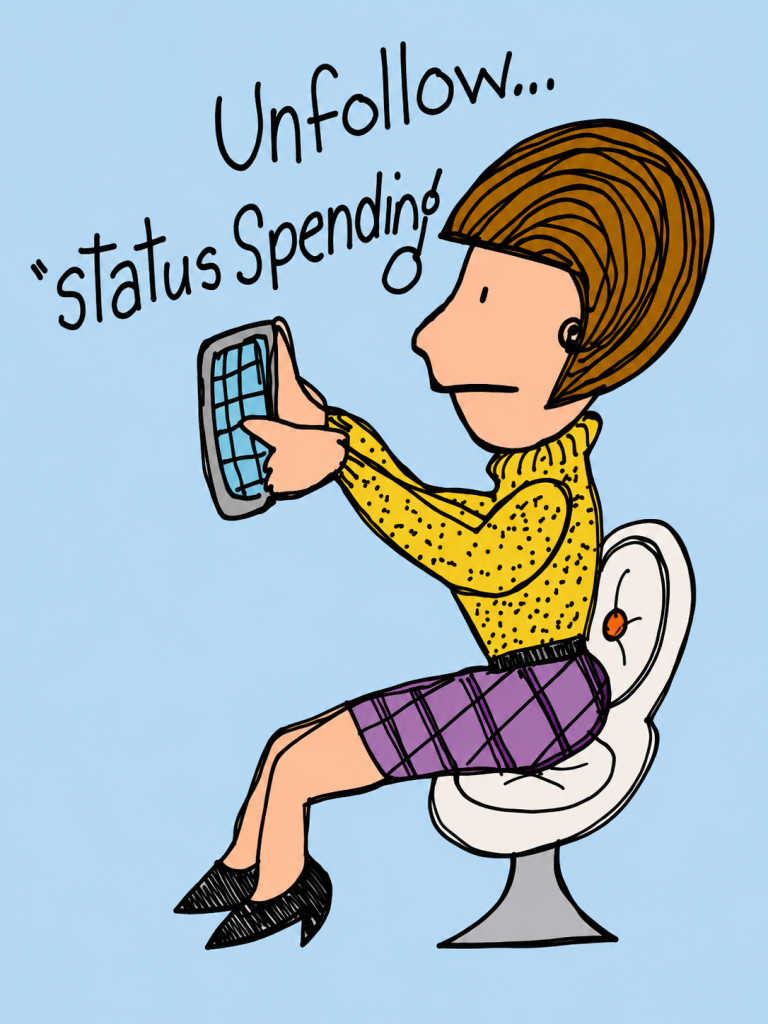
What it is: Unfollow one “status spending” trigger and mute tempting shopping feeds.
How often: Weekly
Why it helps: Social media is engineered to make other women’s lives look effortlessly expensive. Quieting that noise removes a common obstacle to a positive money mindset.
4. Default-to-Saving Transfer
What it is: Set an automatic transfer that builds a habit of saving.
How often: Weekly
Why it helps: Automation removes the willpower equation entirely and because women statistically live longer, starting a savings habit early compounds in a uniquely powerful way.
5. Friction Before Spending
What it is: Add a 24-hour wait rule for non-essentials and remove saved cards.
How often: Per purchase
Why it helps: Proven self-control strategies reduce spending and boost saving, giving you space to ask “do I want this, or am I just tired?”
Raise Your Income: A Realistic Plan for the Next 90 Days
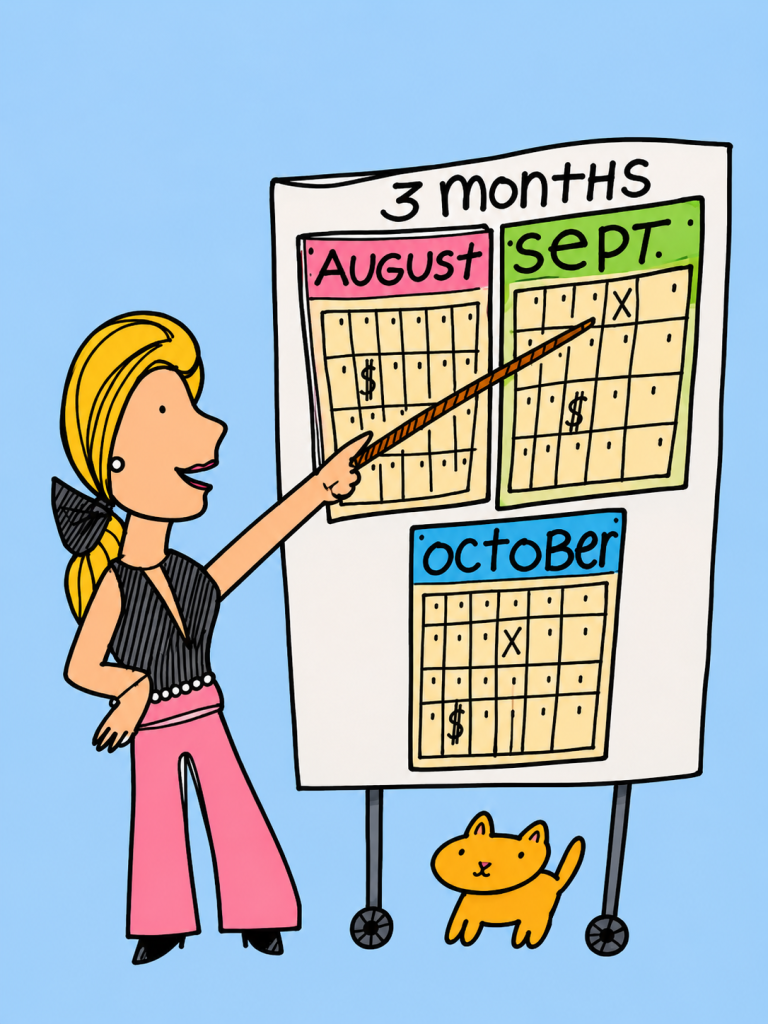
Think of the next 90 days as a focused “income sprint,” not a total life overhaul. Women are statistically less likely to negotiate their first salary offer and that gap compounds over an entire career. This plan is designed to close that gap, one repeatable step at a time.
Set one 90-day income target (and a weekly scorecard): Choose a clear number like “+$300/month” or “one promotion-ready project.” Break it into weekly actions you can control: 3 applications, 2 networking messages, 5 hours of skill practice, or 1 client pitch. Tracking actions (not just outcomes) keeps your confidence up even when you’re waiting to hear back.
Choose your primary lane: promotion, new job, or side income: Pick one main strategy for the next 30 days so you don’t scatter your energy, then reassess. A simple rule: if you’re underpaid for your role, prioritize job search or negotiation; if you’re paid fairly but capped, focus on skill-building; if you need cash fast, test a small side hustle. This reduces the comparison spiral and supports the positive money mindset habits you’ve been building.
Create a “proof of value” file at work: Women are more likely to be overlooked for promotions despite strong performance, often because achievements go unspoken. Start a single document where you log wins weekly Things like money saved, time reduced, customer compliments, errors prevented, projects shipped, or training completed. Then ask your manager one direct question: “What would make you say I’m ready for the next level in 90 days?” This turns vague promotion talk into concrete criteria.
Practice salary negotiation in two steps (low-risk first): Research shows women who negotiate are often penalized socially for it, which makes rehearsal even more important. Step one is information: ask for the pay range for your level and what skills move you to the top of it. Step two is the ask: use your proof-of-value file to request a specific number or a defined raise timeline, plus alternatives like a title change, bonus, or extra remote days if cash is tight. Rehearse out loud twice so nerves don’t run the conversation.
Build one skill with weekly practice blocks (and social accountability): Choose a skill that shows up repeatedly in job posts for the roles you want, then schedule three 45-minute blocks each week to practice it. Learning sticks better in structured environments like workshops, study groups, or community classes. Women-focused professional networks can add both accountability and advocacy. Skill-building closes credential and confidence gaps without requiring you to “feel ready” first.
Run a 14-day “side hustle test,” not a forever plan: Pick one small offer you can deliver in evenings or weekends (editing, tutoring, basic design, errands, simple bookkeeping). Post or pitch once per day for two weeks, then track responses and time spent. The goal is proof of interest, not going viral. Many women find that monetizing an existing skill they’d been giving away for free is the fastest starting point.
Keep your plan small, measurable, and repeatable. Earning more becomes less about luck and more about consistent choices you can sustain, without sacrificing your savings goals or your peace of mind.
Positive Money Mindset Questions, Answered
Q: What are common mental biases that prevent women from making good financial decisions?
Present bias makes “later” feel safer than starting today, so saving keeps getting postponed. Loss aversion can trap you in fear, causing you to avoid investing, negotiating, or even looking at your numbers. Confirmation bias pushes you to seek information that confirms old stories like “I’m just bad with money.” It’s a story many women were handed long before they earned their first paycheck. A positive money mindset means recognizing these patterns before they steer your decisions.
Q: How can I forgive myself for past money mistakes and change my financial habits?
Start by naming the lesson, not the shame. Your money mindset is your thoughts and beliefs about money, not your worth as a person. Women are often socialized to tie self-esteem to caregiving and generosity, which can make financial “selfishness” (like saving for yourself) feel wrong. Choose one tiny replacement habit, like checking balances every Friday or automating $10 to savings. Track streaks, not perfection, so you build trust with yourself over time.
Q: What practical strategies can help me save money consistently without feeling deprived?
Pay yourself first with an automatic transfer right after payday, even if it’s small. Use “minimums with permission,” like saving $25 weekly while keeping one planned treat. This will prevent rebound spending. Make friction for impulse buys by waiting 24 hours on non-essentials. And remember: saving for yourself is not selfish. For women who may spend years out of the workforce caregiving, it’s essential.
Q: How can embracing discomfort improve my money mindset and long-term financial success?
Discomfort often shows up when you’re learning something new, like budgeting honestly or asking for a raise. For women, that discomfort is sometimes amplified by imposter syndrome or fear of being seen as “too much.” Treat that feeling as a signal you’re expanding, then do the smallest brave action: open the bill, make the call, set the transfer. Repeating these moments trains a positive money mindset faster than reading another tip ever will.
Q: How can I get guidance and support to handle my finances better when I feel overwhelmed or stuck?
Pick one “money buddy.” ideally this is another woman who’s equally honest about finances. Have weekly check-ins, or ask a qualified financial professional for a clear next-step list. Women-focused financial communities and fee-only advisors who specialize in working with women can be especially valuable. If paperwork stress is the issue, create a simple folder system and break long statements into smaller chunks you can review calmly. Remember: you’re not behind; financial literacy in the US has hovered around 50%, and improvement is a learnable skill for anyone willing to start.

Build a Positive Money Mindset Through Small Wins and Steady Commitment
Money stress often comes from feeling behind, confused, or worried that one wrong move will undo progress. For women navigating the pay gap, career breaks, and the invisible labor of managing a household, that feeling can run especially deep. The way through is cultivating a positive money mindset; one that replaces shame and avoidance with steady awareness, patience, and sustained commitment. With that approach, personal financial growth stops being a burst of motivation and becomes a repeatable process that creates real, lasting results.
Small, consistent choices build long-term financial success. Choose one next step today; review one account, answer one money-mindset question, or organize one document. Repeat it tomorrow. That rhythm builds the kind of financial confidence that supports more stability and resilience in every part of life and that’s a foundation worth building for yourself.


